
Constipation and diarrhea on a GLP-1: what's normal, what helps, and when to call your prescriber
Team Protocolit
Published:
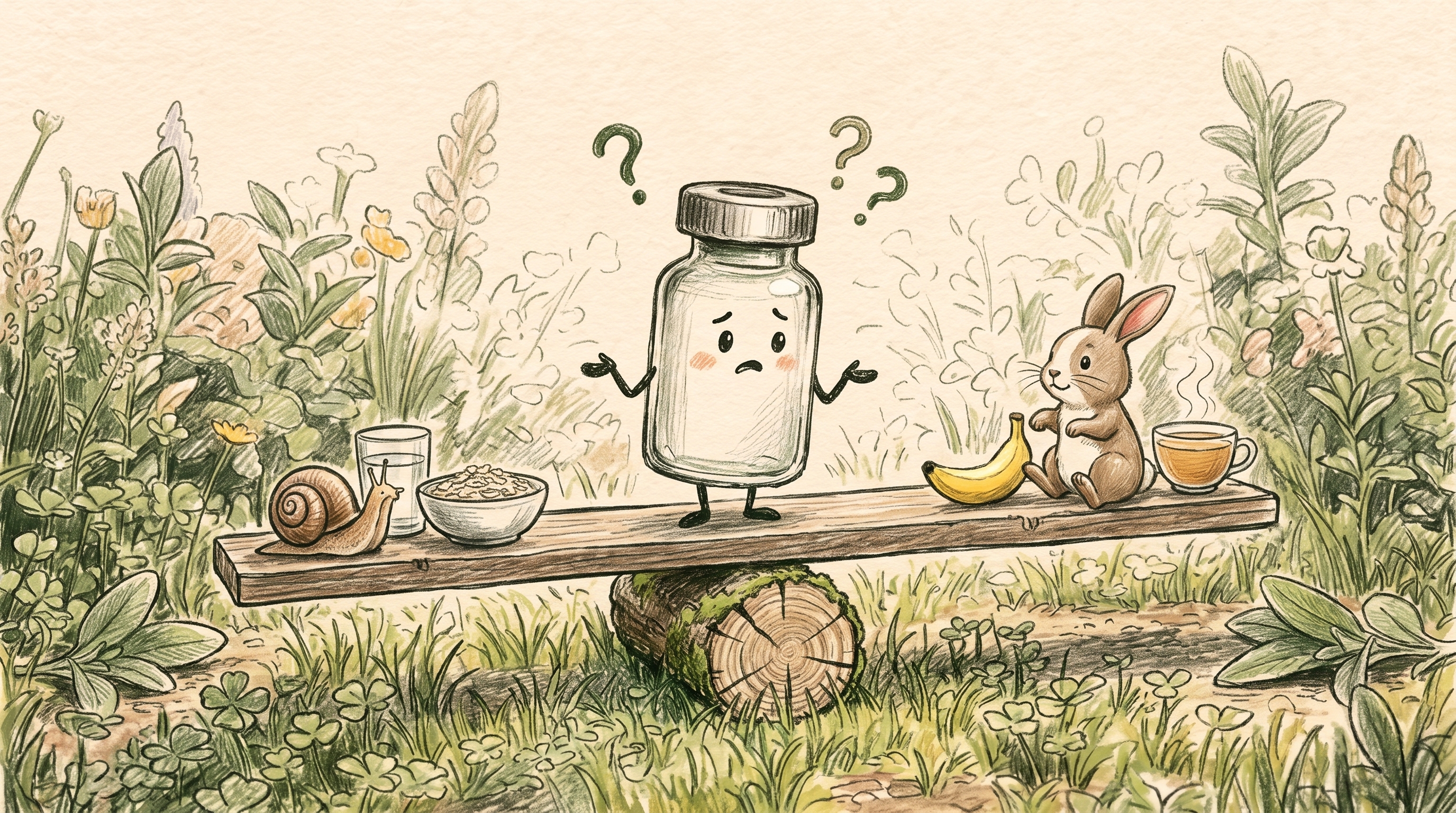
You can get constipation or diarrhea on a GLP-1, and sometimes both in the same week. That is not a contradiction.
Slower digestion plus a different way of eating can push your gut in both directions. The tricky part is that constipation and diarrhea need almost opposite fixes. Adding fiber, magnesium, and laxatives when the real problem is loose stool can make things worse. Cutting food and fluids when the real problem is constipation can make that worse too.
This post is general information, not medical advice. GLP-1 and related medications can cause serious side effects in some people. Your prescriber and pharmacist know your medication, dose, health history, and other medicines.
How common are constipation and diarrhea?
The U.S. Wegovy label has useful adult trial numbers. In adult weight-management trials, diarrhea was reported by 30% of people on Wegovy versus 16% on placebo. Constipation was reported by 24% versus 11%. Nausea was 44% versus 16%, and vomiting was about 24% to 25% versus 6%.
The placebo column matters. Some people report diarrhea or constipation even without the active drug, especially when eating patterns change. The gap between the placebo and medication columns is the cleaner way to think about the added drug-related burden.
For tirzepatide, sold as Zepbound for weight management and Mounjaro for type 2 diabetes, the Zepbound prescribing information reports gastrointestinal adverse reactions in 56% of people at each studied dose versus 30% on placebo. The label also says most nausea, vomiting, and diarrhea happened during dose escalation and decreased over time.
How long do they last?
This is the part many people do not know. Wegovy's European product information gives median durations from trials: nausea about 8 days, vomiting 2 days, diarrhea 3 days, and constipation 47 days.
So diarrhea often behaves like a short, rough patch. Constipation can linger for weeks. That does not mean panic. It does mean you should not ignore it or assume it will fix itself if you are getting more backed up.
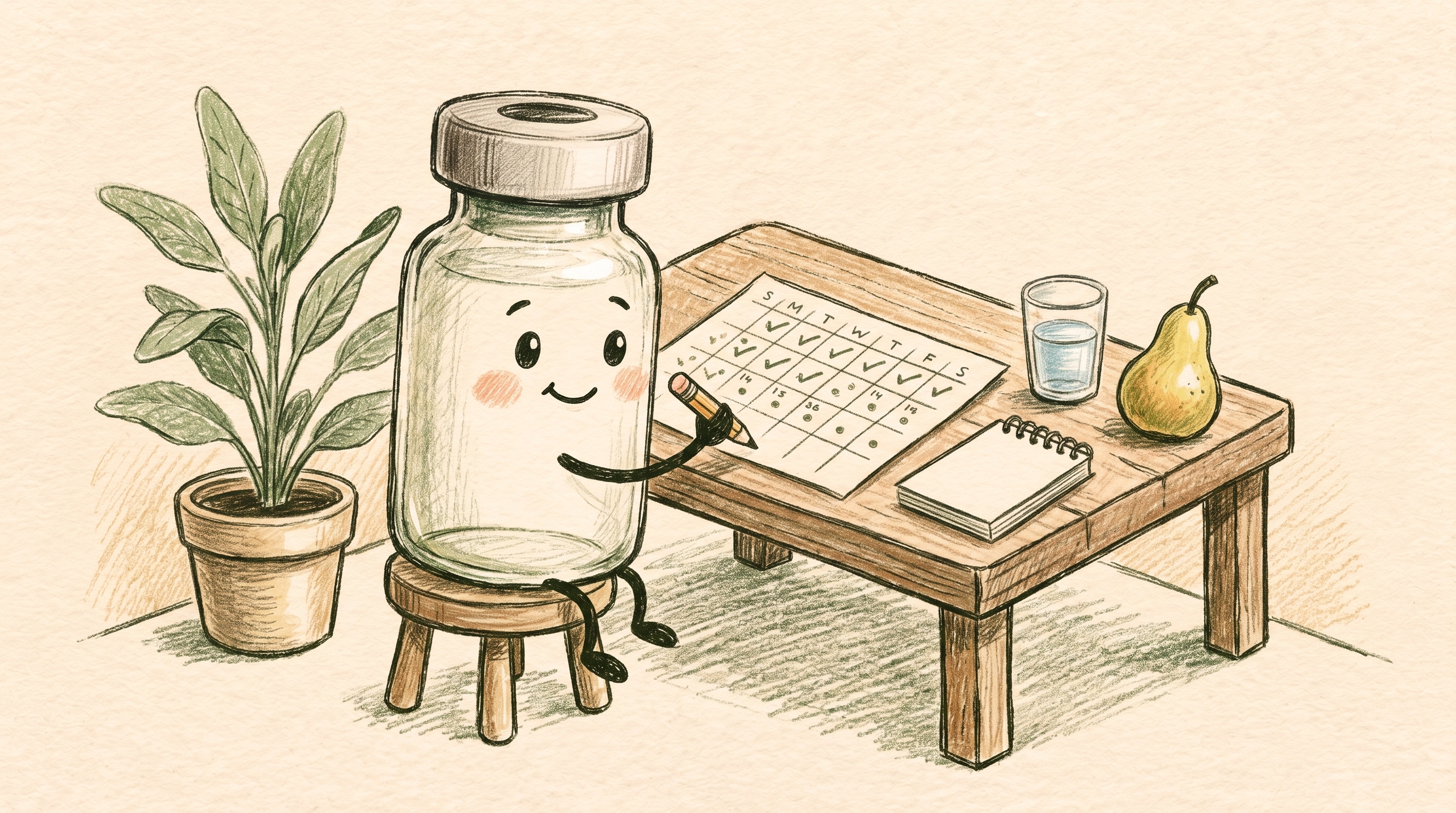
Constipation: what to do, in order
Two things commonly drive constipation on these medications. Your gut may move more slowly, and you may be eating and drinking less. A practical GLP-1 grocery list can help keep gentle fiber, fluids, and protein options around, because less food means less bulk. Less fluid makes stool harder to move.
- Start with fluids. Sip steadily through the day. Fiber with too little water can make constipation worse instead of better.
- Add fiber slowly. Many adults need roughly 22 to 34 grams of fiber a day, depending on age and sex. Do not jump there overnight. Oats, beans, berries, chia, prunes, vegetables, and psyllium can help, but increase gradually.
- Move after meals. Even a short walk can help a sluggish gut. It does not have to be intense.
- Ask about an OTC laxative if basics are not enough. Polyethylene glycol, sold as MiraLAX, is a common osmotic option. Magnesium-based products can also be used, but check first if you have kidney disease, take other medications, or are prone to dehydration.
- Use stimulant laxatives carefully. Senna and bisacodyl are usually better treated as short-term rescue options, not something to quietly add every day without checking in.
- Tell your prescriber if it keeps going. They may adjust the pace of dose increases or help you build a safer bowel plan.
One warning: do not stack everything at once. Fiber, magnesium, and a laxative on the same day can swing you into the opposite problem.
Diarrhea: what tends to help
Diarrhea is usually shorter than constipation, but it can be more urgent while it is happening. During an active bout:
- Eat smaller, plainer meals. If you need ideas, start with simple foods from a GLP-1 grocery list.
- Pause greasy, fried, very sugary, or very spicy foods.
- Check protein shakes and bars for sugar alcohols such as sorbitol, maltitol, and xylitol, and for added fiber that may trigger gas or loose stool.
- Cut back caffeine and alcohol while symptoms are active.
- Replace fluids, with some salt and potassium. Broth, an electrolyte drink, or a banana can help.
- Ask before using loperamide, sold as Imodium, especially if you also have constipation days.
If diarrhea started right after a new protein drink, fiber gummy, "GLP-1 snack," magnesium product, grocery-list change, or dose increase, write that down. Timing is often the clue.
Dehydration is the risk to respect
The Zepbound label tells prescribers to monitor kidney function in patients who have side effects that could cause fluid loss, because acute kidney injury from dehydration has been reported with GLP-1 receptor agonists and Zepbound.
In practical terms, watch for dark urine, very little urine, dizziness when standing, severe weakness, a very dry mouth, or not being able to keep fluids down. Those are reasons to call, not to wait.
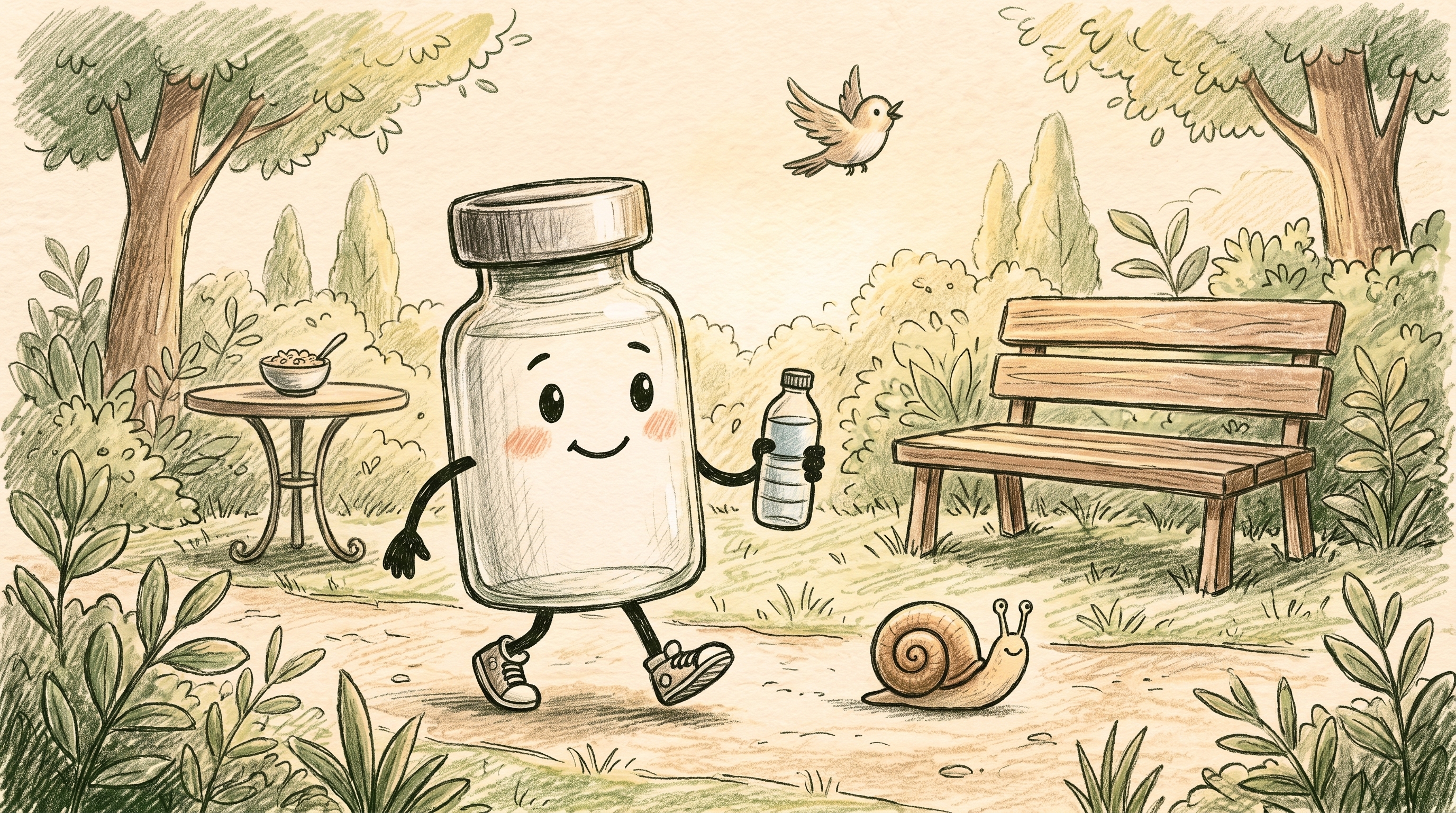
Look for your own pattern
Track three things for two weeks: the day you inject, any dose change, and your bowel movements. Add what you ate and whether you changed fiber, protein shakes, magnesium, alcohol, caffeine, or hydration.
People often find a rhythm: constipation 3 to 4 days after each shot, loose stools after a step up in dose, or diarrhea after a specific bar or shake. That is much more useful to hand your prescriber than "my stomach has been off."
Use Protocolit to keep dose changes, symptoms, bowel notes, hydration, and food triggers in the same timeline.
Start Tracking TodayWhen to call your prescriber
Call your prescriber or seek urgent care if symptoms are severe, persistent, worsening, or unusual for you. Do not wait on:
- No bowel movement for several days plus vomiting, belly swelling, or pain.
- Severe belly pain that does not go away, especially if it spreads to your back.
- Blood in your stool or black stools.
- Diarrhea lasting more than a few days, or any diarrhea with dehydration signs.
- Vomiting or nausea that keeps you from keeping fluids down.
- Fainting, confusion, or severe weakness.
Wegovy and Zepbound labels also note that serious stomach problems can happen and that these drugs are not recommended for people with severe gastroparesis. Do not stop your medication on your own unless your clinician tells you to. Your prescriber can change your dose, timing, or titration pace.
The bottom line
Constipation and diarrhea can both happen on GLP-1 and related medications. Diarrhea is often shorter. Constipation can last longer and needs early basics: fluids, gradual fiber, movement, and a clinician-approved plan if it keeps going.
The safest approach is not to guess harder. Track the pattern, avoid stacking fixes, protect hydration, and call when symptoms are severe or do not behave like your usual side effects.
Sources
Checked November 20, 2026. Labels change, so confirm against your current medication label.
- U.S. Food and Drug Administration. Wegovy prescribing information. Read the FDA label.
- European Medicines Agency. Wegovy EPAR product information. Read the product information.
- U.S. Food and Drug Administration. Zepbound prescribing information. Read the FDA label.
- National Institute of Diabetes and Digestive and Kidney Diseases. Treatment for Constipation. Read the guidance.
- National Institute of Diabetes and Digestive and Kidney Diseases. Eating, Diet, & Nutrition for Constipation. Read the guidance.
- Mayo Clinic. Diarrhea in adults: when to seek medical advice. Read the guidance.
About the author: Team Protocolit writes practical, user-centered posts about GLP-1 experiences, medication routines, and research, with an emphasis on making day-to-day tracking easier to act on.